Last Updated: May 24, 2026
The solar energy benefits of environmental conservation have shifted from theory to proven reality, and the data backs it up. At Discount Solar, we’ve spent a decade helping Bakersfield homeowners make this transition, and the environmental case has never been stronger. Solar panels generate electricity by converting sunlight into direct current (DC) power, which an inverter then transforms into alternating current (AC) for home use. No combustion. No emissions at the point of generation. Below, we’ll show you exactly how this clean energy system creates a positive environmental impact at every scale, from your rooftop to the regional atmosphere.
Solar energy is a renewable energy source that generates electricity from sunlight using photovoltaic (PV) cells, producing zero greenhouse gas emissions during operation. That single fact drives most of the environmental benefits discussed throughout this guide.
Here’s what most introductions get wrong: they treat solar’s environmental value as a single benefit. It’s actually a cascade. Eliminating fossil fuel combustion for electricity generation simultaneously reduces carbon emissions, cuts sulfur dioxide (SO2) and nitrogen oxides (NOx) output, decreases water consumption, and slows resource depletion. One technology, multiple environmental wins.
How Solar Energy Benefits the Environment at Every Level
Reducing Greenhouse Gas Emissions
Solar PV systems produce no greenhouse gases (GHG) during operation. The contrast with fossil fuels is stark: coal-fired electricity generation releases carbon dioxide, methane, and nitrous oxide at every stage, from mining through combustion. Switching residential electricity demand to solar directly reduces the amount of fossil fuel burned on the grid, lowering cumulative carbon emissions across the entire energy system.
The decarbonization math is straightforward. Every kilowatt-hour (kWh) of solar electricity displaces a kWh that would otherwise come from natural gas or coal. Over a 25-year system lifespan, a typical residential installation eliminates a meaningful volume of carbon that would otherwise enter the atmosphere and accelerate global warming.
Improving Air Quality and Public Health
Fossil fuel combustion releases sulfur dioxide (SO2), nitrogen oxides (NOx), and particulate matter (PM2.5), the trio responsible for smog, respiratory disease, and cardiovascular harm. Solar electricity generation produces none of these pollutants during operation.
This matters acutely in regions like California’s Central Valley, where air quality regularly ranks among the worst in the country. Every home that switches to solar reduces the grid’s demand for fossil-fuel-fired generation, which translates directly into lower concentrations of smog-forming compounds. Public health researchers consistently link reductions in PM2.5 and NOx to measurable decreases in asthma hospitalizations and respiratory illness rates. Clean energy isn’t just an environmental abstraction; it’s a public health intervention.
Fossil Fuels vs Solar Energy: A Clear Environmental Comparison
The popular framing of this debate focuses on cost. The environmental comparison tells a more urgent story.
Fossil fuels require extraction (drilling, mining), transportation, refining, and combustion. Each stage generates emissions, risks spills, disturbs land, and consumes water. Natural gas fracking, for example, draws heavily on local water supplies and risks groundwater contamination. Coal mining causes habitat destruction and acid mine drainage. Oil drilling carries spill risk that can devastate marine and terrestrial ecosystems.
Solar energy, by contrast, requires manufacturing (with associated upstream emissions), installation, and then decades of clean operation. The lifecycle emissions profile of solar PV is dramatically lower than any fossil fuel pathway, as documented by the U.S. Department of Energy’s lifecycle analysis resources.
| Factor | Fossil Fuels | Solar Energy (PV) |
|---|---|---|
| Operational emissions | High (CO2, SO2, NOx) | Zero |
| Water consumption | High (cooling, extraction) | Very low (panel cleaning) |
| Land disturbance | Ongoing (drilling, mining) | Installation only |
| Air pollution (PM2.5, smog) | Significant | None during operation |
| Resource depletion | Continuous | Minimal after manufacture |
| Energy independence | Grid/import dependent | Locally generated |
The table above makes the comparison concrete. Fossil fuels impose continuous environmental costs throughout their operational life. Solar’s environmental costs are front-loaded into manufacturing and largely resolved once the system is running.
Carbon Footprint Reduction with Solar: What Homeowners Can Expect
Carbon footprint reduction with solar is one of the most tangible environmental benefits for residential customers. The mechanism is direct: your home draws less power from a grid that still relies on fossil fuel generation, so fewer tons of CO2 are emitted on your behalf.
The actual reduction depends on your local grid’s energy mix, your system size, and your household consumption. Grids with higher fossil fuel dependence see larger per-kWh emissions reductions from solar displacement. California’s grid is cleaner than many states, but natural gas still plays a significant role, meaning residential solar still delivers meaningful carbon footprint reduction.
What most homeowners underestimate is the cumulative effect. A system installed today and backed by a 25-year warranty, like those Discount Solar provides, eliminates carbon emissions year after year. The environmental benefit compounds over time in a way that energy efficiency upgrades alone cannot match.
Carbon footprint reduction with solar isn’t a one-time event. It’s an annual environmental contribution that accumulates over the system’s entire lifespan, making the long-term impact significantly larger than the first-year numbers suggest.
Solar Panel Environmental Impact: From Manufacturing to End of Life
Honest environmental analysis of solar requires looking at the full lifecycle, not just the operational phase. Solar panel environmental impact spans three stages: manufacturing, operation, and end-of-life disposal.
Manufacturing solar panels requires mining materials including silicon, silver, and in some panel types, cadmium and lead. The production process consumes energy, and if that energy comes from fossil fuels, it generates upstream emissions. This is a real and acknowledged limitation.
The Energy Payback Period Explained
The energy payback period is the time it takes for a solar panel to generate as much energy as was consumed during its manufacture and installation. For most modern crystalline silicon PV panels, this period ranges from roughly one to four years, depending on location and manufacturing methods, according to lifecycle assessment data from the National Renewable Energy Laboratory.
Given that residential solar systems typically operate for 25 to 30 years, the energy payback period represents a small fraction of the system’s productive life. After payback, every kWh generated is a net environmental gain. This is the number that matters most for lifecycle environmental assessment.
When evaluating solar panel environmental impact, always ask manufacturers about the energy payback period for their specific panel technology. Monocrystalline silicon panels generally have shorter payback periods than older thin-film technologies, making them a stronger choice for homeowners prioritizing environmental performance.
Land Use, Biodiversity, and Water Usage Considerations
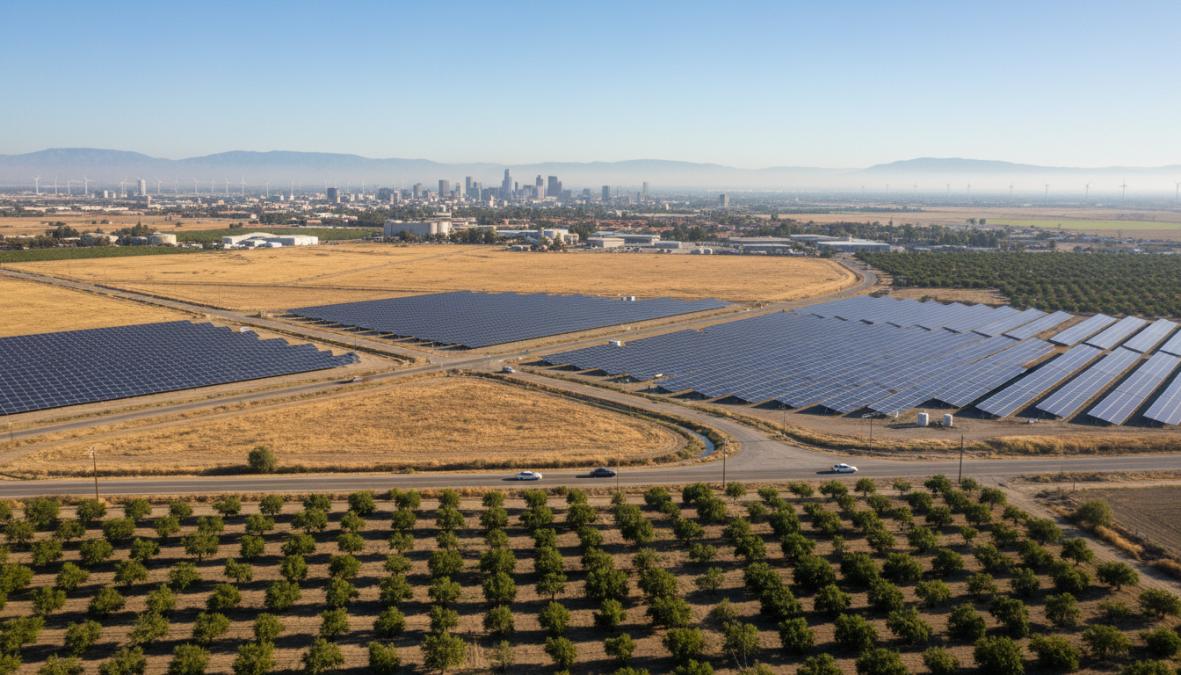
Residential and commercial solar installations on existing rooftops have essentially zero land-use impact. The panels occupy space that was already built, requiring no additional land clearing or habitat disruption. This is a meaningful distinction from utility-scale solar farms, which do require land allocation and can affect local biodiversity if not carefully sited.
Water usage is another area where solar outperforms fossil fuels. Thermal power plants (coal, natural gas, nuclear) consume substantial water for cooling. Solar PV systems use water only for occasional panel cleaning, making them one of the least water-intensive electricity generation technologies available.
Biodiversity considerations for large-scale solar are more nuanced. Poorly sited utility installations can fragment habitat. Well-designed solar farms, however, can coexist with low-growing vegetation and even support pollinator habitats beneath panel arrays, as explored in research on agrivoltaic and biodiversity-compatible solar design.
Clean Energy Benefits Beyond Carbon: Water, Smog, and Resource Depletion
Clean energy benefits extend well past the carbon conversation, and this is where solar’s environmental case becomes particularly compelling.
Smog reduction is direct and local. NOx and volatile organic compounds (VOCs) from fossil fuel combustion are the primary precursors to ground-level ozone, the component of smog that damages lung tissue. Displacing fossil fuel generation with solar reduces these precursor emissions, contributing to cleaner air in the communities surrounding power plants and along fuel transportation corridors.
Resource depletion is the slower, less visible benefit. Fossil fuel reserves are finite. Extraction becomes progressively more energy-intensive and environmentally disruptive as accessible reserves are depleted. Solar energy draws on sunlight, a resource that will not be exhausted on any human timescale. Shifting electricity generation toward solar reduces the rate at which finite fossil fuel reserves are consumed, extending the window for broader energy system decarbonization.
Water conservation matters enormously in drought-prone regions. California’s Central Valley, including Kern County, faces chronic water scarcity. Every residential solar installation that displaces grid electricity from natural gas peaker plants reduces the water consumed in that generation process.
The clean energy benefits of solar are systemic. They interact and reinforce each other in ways that make the aggregate environmental impact larger than any single metric captures.

Local Environmental Impact: What Solar Means for Bakersfield and Kern County
Bakersfield sits in one of the most air-quality-challenged regions in the United States. The San Joaquin Valley’s geography traps pollutants, and the area’s heavy reliance on oil and gas production adds local emission sources that compound the problem. The solar energy benefits environment connection is especially pronounced here.
Every home in Kern County that installs solar reduces demand on the regional grid during peak hours, which are precisely the hours when natural gas peaker plants run at full capacity and emit the most NOx and particulate matter. The cumulative effect of widespread residential solar adoption in the region would meaningfully reduce the pollutant load in an already overburdened airshed.
There’s also an energy independence dimension specific to this region. Kern County produces a large share of California’s oil and gas, yet residents still pay for grid electricity generated partly from fossil fuels. Residential solar breaks that dependency at the household level, generating clean electricity locally from the same abundant sunshine that makes the Central Valley one of the best solar resources in the country.
Homeowners in Kern County should be aware that local air quality conditions can accelerate soiling on solar panels. Dust, agricultural particulates, and smog residue accumulate faster here than in coastal climates. Scheduling panel cleaning once or twice annually maintains generation efficiency and ensures your system delivers its full environmental and financial benefit.
Solar Energy Benefits the Environment and Your Wallet: The Dual Win
The strongest argument for residential solar isn’t that it’s virtuous. It’s that the environmental benefits and the financial benefits point in the same direction.
Solar energy benefits the environment by displacing fossil fuel generation. The same displacement reduces your electricity bill. These are not separate outcomes from separate mechanisms; they are the same outcome measured two different ways. Every kWh your panels generate is a kWh you don’t buy from the utility and a kWh the grid doesn’t need to produce from a gas-fired plant.
Grid reliance is the common enemy of both environmental sustainability and household energy costs. As utility rates rise, the financial value of solar generation increases. As grid solar penetration grows, the environmental value of each additional installation remains significant because fossil fuel peakers still set the marginal generation price in most markets.
The dual-win framing matters for decision-making. Homeowners who view solar purely as an environmental choice sometimes hesitate when upfront costs feel significant. Homeowners who view it purely as a financial investment sometimes underestimate the long-term value of rate protection. The accurate view is both simultaneously. According to the Solar Energy Industries Association’s residential solar market data, residential solar adoption continues to accelerate precisely because this dual value proposition resonates with homeowners across income levels.
Cost savings, energy independence, and environmental protection are not competing priorities with solar. They are the same priority.
Conclusion: Making the Switch to Clean, Sustainable Solar Power
Switching to solar is the most direct action a homeowner can take to reduce their personal contribution to air pollution, carbon emissions, and fossil fuel dependence. The environmental case is clear across every metric: operational emissions, water usage, smog precursors, and resource depletion all improve when households generate their own clean electricity from sunlight.
The question isn’t whether solar energy benefits the environment. The evidence on that is settled. The question is whether your home is set up to capture those benefits.
Homeowners in Bakersfield and Kern County face some of the worst air quality in California, making the local environmental stakes particularly high. Discount Solar has spent a decade helping Central Valley homeowners install custom solar solutions backed by a 25-year equipment warranty, with certified installers who understand the specific conditions and solar resources of this region. Get your estimate from Discount Solar and start generating clean electricity that reduces your bills and your environmental footprint at the same time.
Frequently Asked Questions
How does solar energy help the environment?
Solar energy benefits the environment by generating electricity without burning fossil fuels, which means no direct carbon emissions, sulfur dioxide (SO2), or nitrogen oxides (NOx) during operation. This reduces greenhouse gases (GHG) that drive climate change, lowers air pollution linked to smog and respiratory illness, and decreases reliance on resource-depleting energy sources like coal, oil, and natural gas. Over a system’s lifetime, a single residential solar installation can offset a significant amount of CO2 that would otherwise enter the atmosphere.
What is the lifecycle environmental impact of solar panels?
The solar panel environmental impact extends beyond daily operation to include manufacturing, installation, and eventual disposal. Producing photovoltaic (PV) panels does require mining raw materials and energy, generating some emissions upfront. However, most panels reach an energy payback period of just one to four years, meaning they produce more clean energy than it took to make them, and they operate for 25 years or more. Responsible recycling programs are also improving, reducing long-term environmental degradation from panel disposal.
Does solar energy reduce reliance on fossil fuels?
Yes, switching to solar energy directly reduces fossil fuel consumption by replacing grid electricity that is often generated from coal or natural gas. Every kilowatt-hour (kWh) of solar electricity produced is one less kWh drawn from fossil fuel-dependent grid sources. At scale, widespread residential and commercial solar adoption supports decarbonization of the energy system, reduces drilling and mining activity, and moves communities toward greater energy independence and a more sustainable future.
Can solar energy help combat climate change?
Solar energy is one of the most accessible tools for combating climate change at the household level. By generating clean electricity from sunlight, solar panels eliminate the carbon emissions associated with conventional electricity generation. Reducing these emissions helps slow global warming by limiting the concentration of greenhouse gases in the atmosphere. When millions of homeowners adopt residential solar, the collective carbon footprint reduction becomes a meaningful contribution to broader climate goals and cleaner air for future generations.
What are the clean energy benefits of going solar for homeowners?
The clean energy benefits of solar go beyond environmental impact. Homeowners gain energy independence by generating their own electricity, reducing or eliminating monthly utility bills, and insulating themselves from rising energy costs. From an environmental standpoint, solar reduces particulate matter (PM2.5), smog-forming NOx, and CO2 in local communities. In high-pollution regions like California’s Central Valley, this air quality improvement has direct public health value, fewer respiratory issues linked to poor air quality from fossil fuel combustion.